Unpacking Bills of Quantities
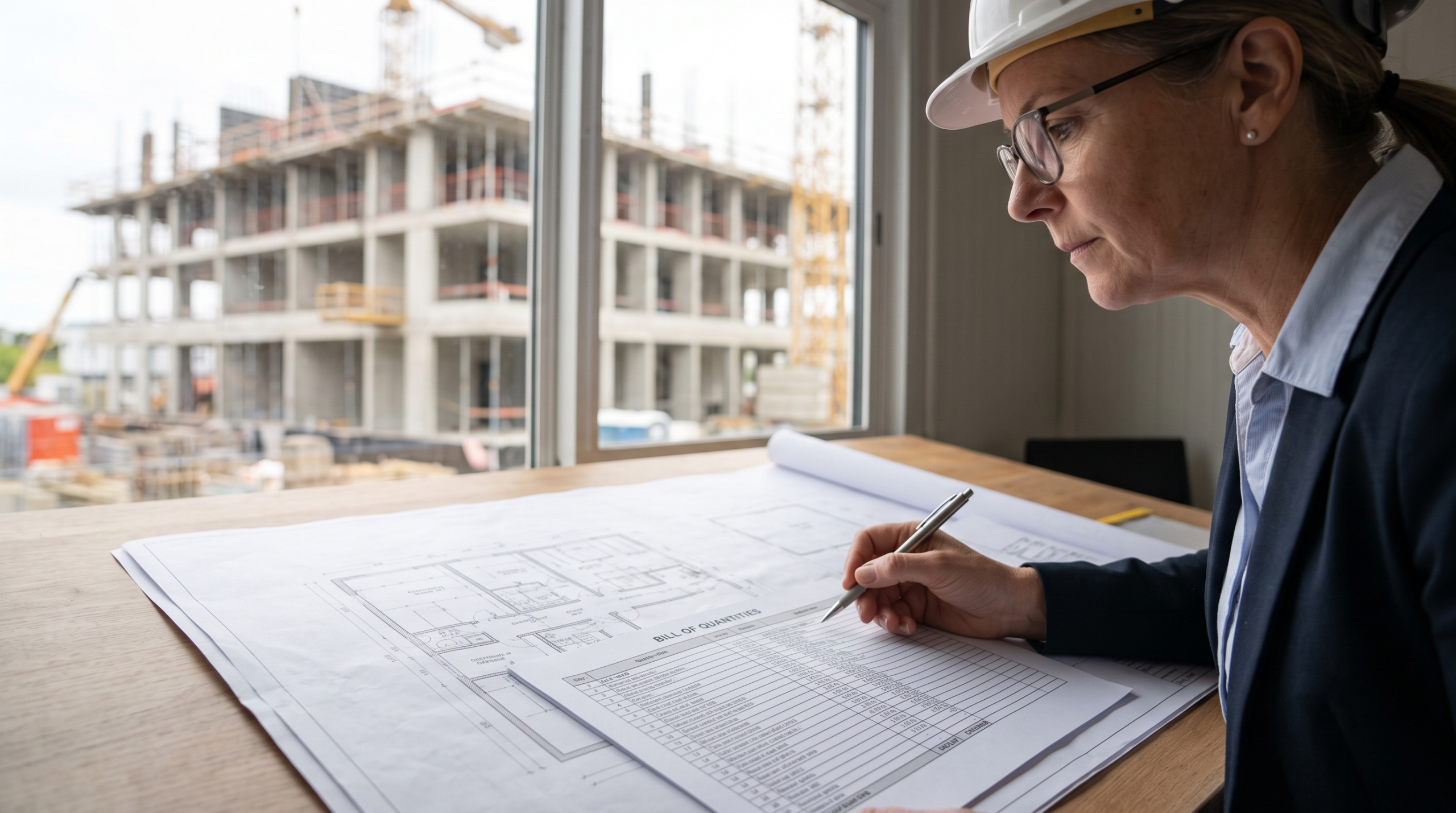
A Bill of Quantities (BQ) is the master financial document of a construction project. Prepared by a Quantity Surveyor, it translates architectural and engineering drawings into a comprehensive, itemized list of every material, labor requirement, and general cost needed to complete the build.
Its primary purpose is to allow contractors to price the project fairly and transparently on exactly the same terms (comparing “apples to apples”).
Structure of a Bill of Quantities
A standard BQ is divided into several distinct sections, each serving a specific financial purpose.
1. Preliminaries (Prelims)
This section covers the “overhead” costs of running the construction site, which aren’t tied to a specific physical part of the building.
- Site Setup: Temporary offices, hoarding (fencing), and portable toilets.
- Utilities: Temporary water and power supply.
- Management: Site manager salaries, security guards, and safety equipment.
- Compliance: Insurances, performance bonds, and statutory fees.
2. Measured Works
This is the core of the BQ. It breaks down the actual physical construction into specific trades or building elements. Every task is measured and assigned a specific unit.
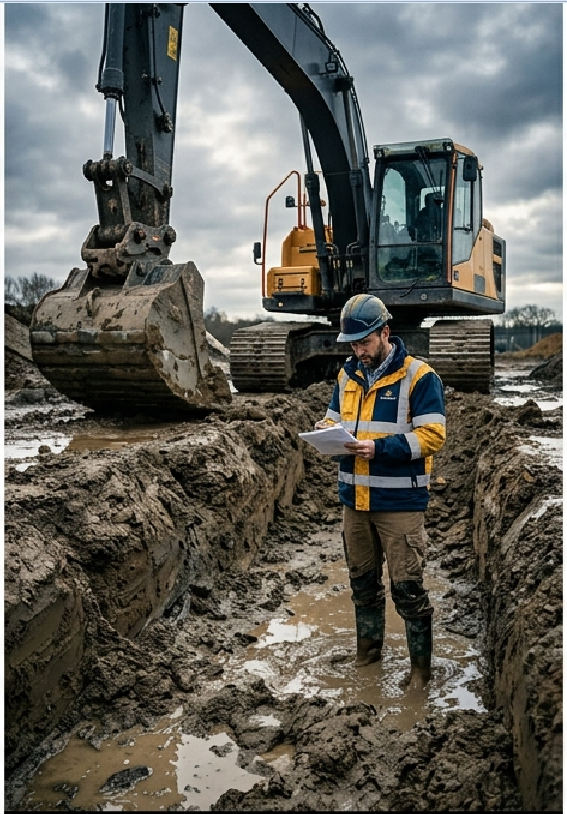
- Substructure: Excavation, foundations, and ground slabs.
- Superstructure: Concrete columns, masonry walls, roofing, and structural steel.
- Finishes: Plastering, tiling, painting, and ceiling installations.
Here is how a Measured Works page is typically formatted:
| Item Code | Description of Work | Unit | Quantity | Rate | Amount |
| A | Excavate topsoil average 150mm deep | m² | 250 | ||
| B | 200mm thick reinforced concrete slab | m³ | 45 | ||
| C | 150mm thick machine-cut stone walling | m² | 120 |
(Contractors fill in the “Rate” and “Amount” columns when bidding).
3. Prime Cost (PC) and Provisional Sums
Because not every detail is 100% finalized before construction begins, the BQ includes financial placeholders.
- Prime Cost (PC) Sums: Allowances for specific items you want to choose later, like high-end floor tiles or specialized light fixtures. The QS estimates the cost, but the final amount changes based on your actual selection.
- Provisional Sums: Allowances for unforeseen or undefined work, such as relocating an unmapped underground water pipe discovered during excavation.
4. Dayworks Schedule
A schedule of basic hourly rates for labor (e.g., a mason or electrician), materials, and plant equipment. If an unexpected task arises that isn’t covered in the Measured Works, the contractor is paid based on these pre-agreed rates to prevent price gouging.
5. The Grand Summary
The final page of the document brings together the totals from the Preliminaries, Measured Works, PC/Provisional Sums, and Dayworks. Once applicable taxes are added, the resulting figure is the Total Tender Sum—the final price the contractor is bidding to complete your project.
Explore how these elements come together in practice. You can click through this interactive breakdown to see how individual line items roll up into elemental totals and the final Grand Summary.
Key insight: A well-structured BQ protects both the developer and the contractor. If you decide to change the flooring from ceramic to marble halfway through the project, the BQ allows the QS to calculate the exact cost difference without entering a blind negotiation with the contractor.